Marination
The science of flavor penetration — why salt is the only ingredient that truly gets inside meat, how enzymatic tenderizers work, and why thin cuts change the game.
What It Is
Marination is soaking protein in a flavored liquid or paste to add flavor, tenderize, and improve moisture retention. It’s one of the oldest cooking techniques — originally a preservation method (the word comes from the Latin mare, meaning sea, via brine). But what most home cooks believe about marinades is wrong: they don’t penetrate deep into meat. Understanding the science of what actually happens transforms how you approach marinating.
The Most Important Insight
Salt is the only marinade ingredient that truly penetrates meat deeply. Prof. Greg Blonder’s research for AmazingRibs.com demonstrated that sodium chloride — just two atoms (Na + Cl) — is small enough to migrate deep into muscle tissue, reaching roughly 1 inch in 24 hours. It dissolves the protein myosin, loosens muscle fibers, and improves the meat’s ability to retain water during cooking.
Every other flavor molecule in a marinade — sugar (45 atoms), garlic’s allicin (18 atoms), capsaicin, herbs, spices — is far too large for meaningful penetration beyond approximately 3mm (⅛ inch) from the surface, even after hours of soaking. This is a surface treatment, not a deep infusion.
This is why scoring the meat with deep slashes and slicing thin are the two most impactful things you can do to make a marinade actually work. Scoring creates dozens of new surfaces for flavor contact. Thin slicing (¼ inch) means the marinade can effectively reach the center from both sides — turning a surface treatment into full-penetration seasoning.
How Each Component Works
Salt and Soy Sauce
Salt is the workhorse. It penetrates deepest, seasons throughout, and through a process called denaturation, it unwinds muscle proteins so they can hold more water — meaning juicier cooked meat. Soy sauce delivers salt plus glutamate (umami) plus hundreds of Maillard reaction compounds from its fermentation. It’s a more complex seasoning vehicle than plain salt, but the penetration mechanism is the same.
Enzymatic Tenderizers
Certain fruits, roots, and alliums contain protease enzymes that break down muscle fiber proteins on contact. They vary dramatically in potency:
- Kiwi — the most aggressive, 60% more potent than pineapple (per NIH research). Can turn thin slices mushy in under 30 minutes. Use with extreme caution.
- Pineapple — very aggressive. Contains bromelain. Limit to 30 minutes on thin cuts.
- Asian pear — the gentlest and safest for longer marinades. Doubles as a natural sweetener. The standard in Korean cooking.
- Apple (Fuji) — similar to pear but slightly less effective. Good substitute.
- Ginger — contains zingibain, a mild protease. Also reduces gamey odors in pork and lamb.
- Grated onion — contains enzymes and is an underrated tenderizer. Just One Cookbook considers it essential for yakiniku.
The key rule: the thinner the cut, the shorter the enzyme exposure should be. For ¼-inch slices with pear or apple, 4–12 hours is safe. With kiwi or pineapple, cap it at 30 minutes.
Acids
Vinegar, citrus juice, wine, and yogurt denature surface proteins — they cause the outermost layer to firm up and turn opaque (think ceviche). In small amounts, this improves texture. In excess or for too long, acid creates a mushy, chalky exterior while the interior stays unchanged. Acids are best used in moderation as flavor contributors, not as primary tenderizers.
Oil
Oil serves as a carrier for fat-soluble flavor compounds (many spice aromatics are fat-soluble). It also helps the marinade physically cling to the meat’s surface. But oil itself doesn’t penetrate — it coats.
Sugar
Sugar doesn’t penetrate meaningfully, but it’s critical for what happens at the surface during cooking. It fuels both the Maillard reaction (browning flavors above 280°F) and caramelization (sugar breakdown above 320°F). Sugar in a marinade is really about the crust, not the interior.
Time Guidelines
| Cut Thickness | Minimum | Sweet Spot | Maximum |
|---|---|---|---|
| ⅛ inch (3mm) | 15 min | 30–60 min | 2 hours |
| ¼ inch (6mm) | 30 min | 4–12 hours | 12 hours |
| ½ inch (12mm) | 1 hour | 4–12 hours | 24 hours |
| 1 inch+ (steaks) | 2 hours | 12–24 hours | 48 hours |
| Whole cuts (roasts) | 12 hours | 24–48 hours | 72 hours |
These assume mild enzymatic marinades (pear, apple, onion). For aggressive enzymes (kiwi, pineapple), halve the times. For salt-only brines, you can go longer safely.
Common Mistakes
- Expecting deep flavor penetration — most marinade flavors stay on the surface. Accept this and optimize for it: score the meat, slice thin, maximize surface area
- Over-marinating with enzymes — kiwi and pineapple are the usual culprits. The result is a mushy, disintegrating exterior. Set a timer.
- Using too much acid — a tablespoon or two of vinegar or citrus adds brightness. A cup creates a mushy, chalky texture on the surface while the interior stays raw-tasting
- Not patting dry before cooking — surface moisture must evaporate before browning can begin. Water caps surface temperature at 212°F, well below the 280°F+ needed for Maillard browning. Pat the meat dry even after marinating.
- Marinating in reactive containers — aluminum reacts with acids and can create metallic off-flavors. Use glass, ceramic, zip-lock bags, or food-grade plastic
- Not scoring thick cuts — without slashes, the marinade only contacts the outer surface. Deep scores to the bone multiply the effective surface area dramatically
- Adding sesame oil early — toasted sesame oil in a marinade can interfere with flavor penetration and burns at grilling temperatures (smoke point 320–350°F). Add it to the reserved finishing portion instead
Related Techniques
Recipes Using This Technique
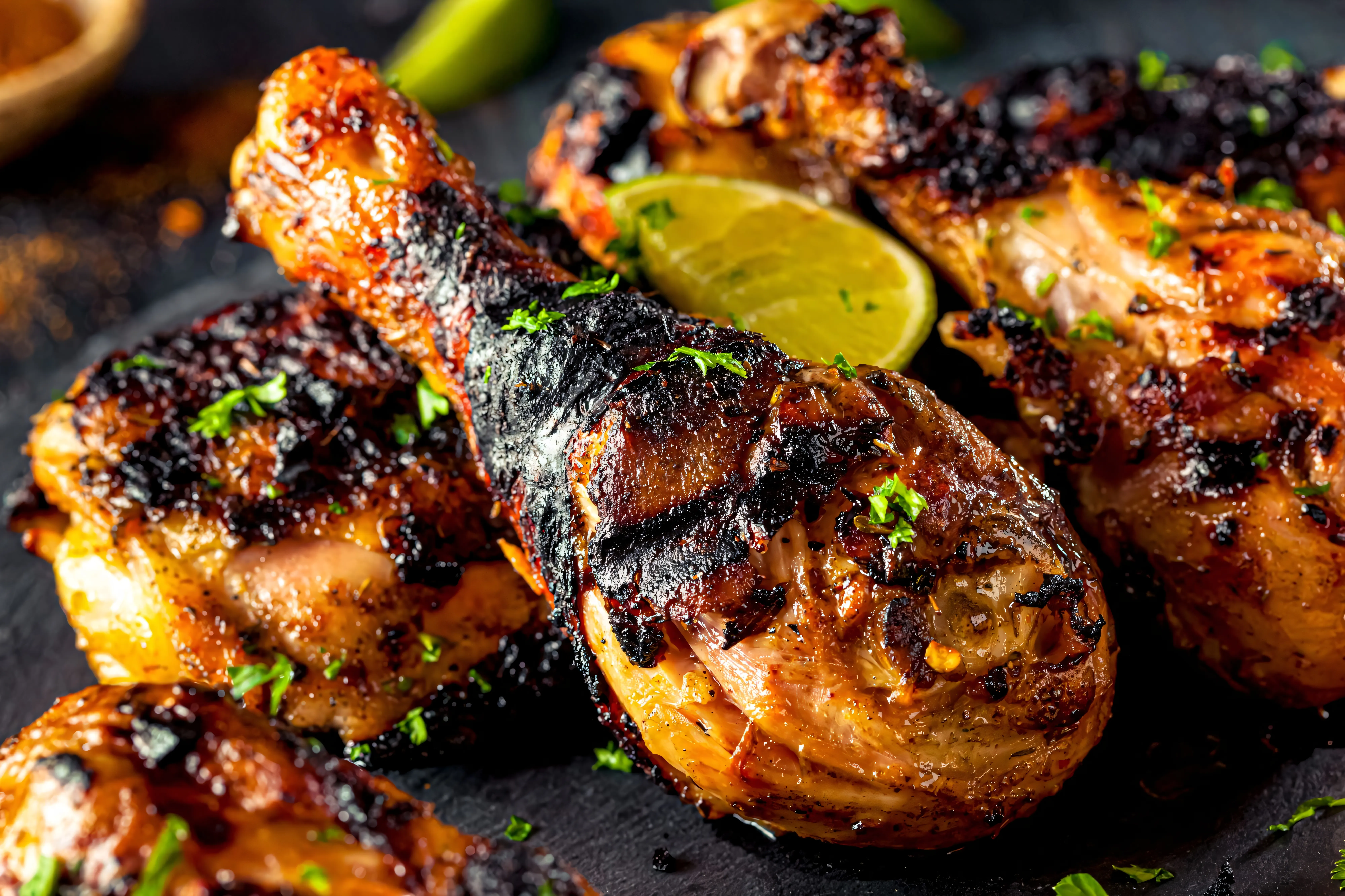
Jamaican Jerk Chicken
The real thing — allspice-scotch bonnet-thyme paste marinated 24 hours, scored to the bone, smoked over pimento wood on a charcoal grill, and chopped into rustic pieces with deeply charred bark.
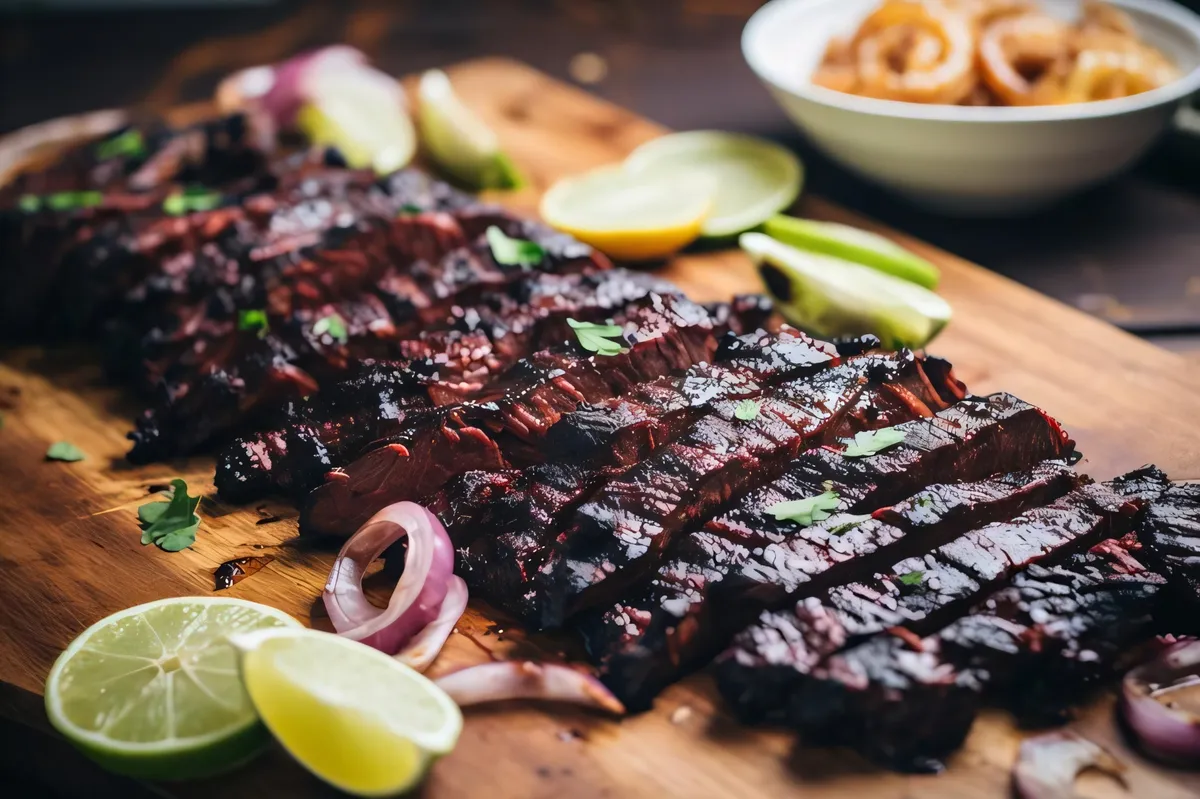
Miso-Lacquered Flap Steak
Yakiniku-style beef seared in cast iron with a red miso marinade that seasons, tenderizes, and supercharges browning all at once.
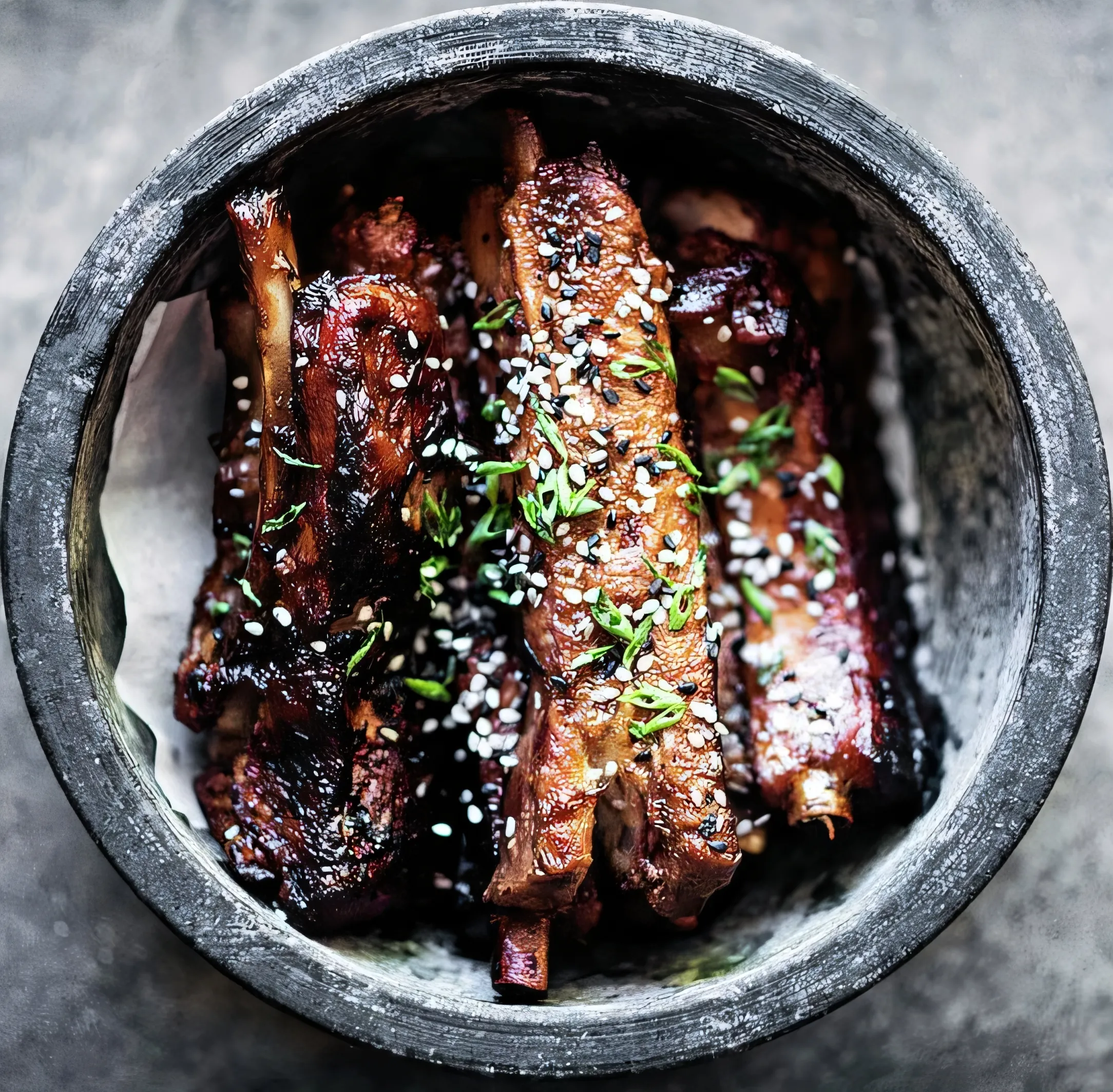
Spicy Pork Belly Yakiniku
Korean-Japanese fusion — thin-sliced pork belly in a gochujang-miso marinade with dual-chili heat, grated pear tenderizer, and charcoal-grilled edges that caramelize without burning.